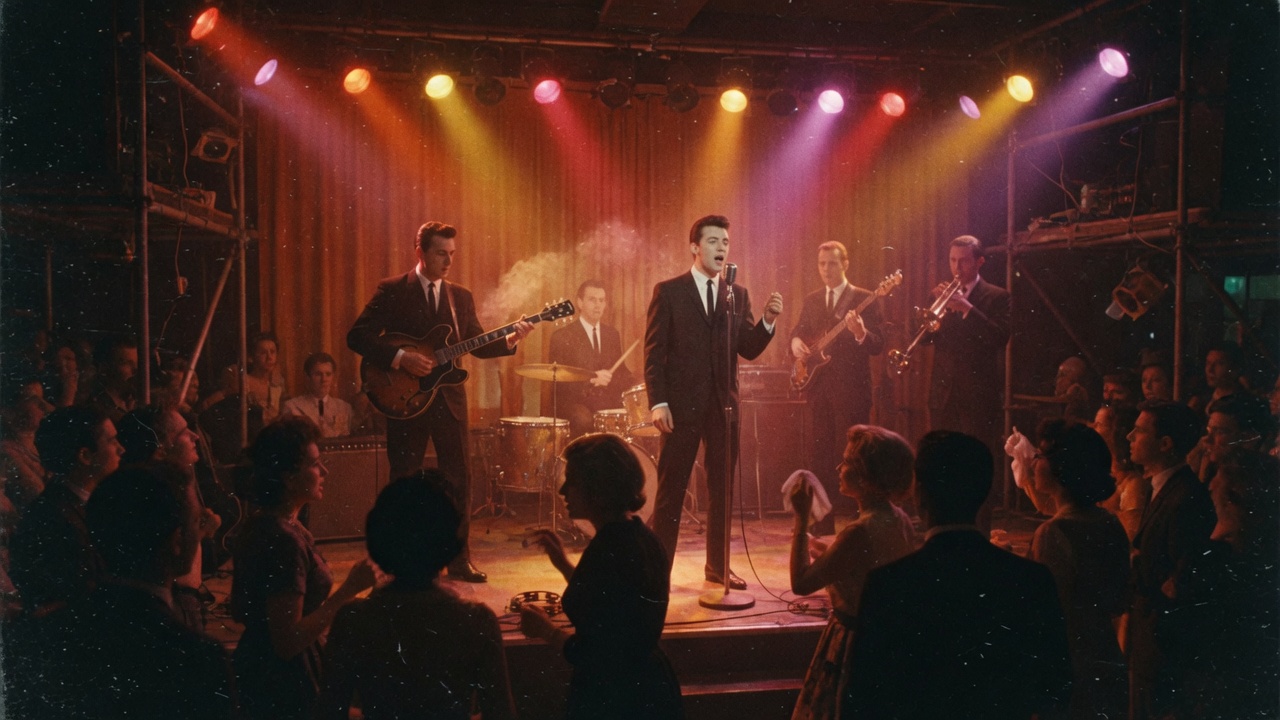
Exploring 60s Music — A Guide for Fans, Parties, and Cover Band Events
The 1960s weren’t just another chart decade — they rewired what popular music could be. British Invasion rock, Motown soul, folk protest anthems, surf instrumentals, and early psychedelia all exploded in roughly the same ten-year window. If you’re building a listening habit, planning a themed party, or hiring a cover band for a 60s-inspired night in Seattle, this guide will help you explore the era with intention.
Why 60s music still works live
Sixty years later, 60s songs still pack dance floors because they combine:
- Memorable melodies that multi-generational crowds recognize
- Strong grooves from Motown, Stax, and early funk
- Communal choruses built for singing along
- Emotional range — joy, rebellion, romance, and uplift
For weddings and corporate parties, a few well-placed 60s tracks can unite grandparents and Gen Z guests better than almost any modern deep cut.
Start with the essential pillars
British Invasion rock
If you’re new to the decade, begin here:
- The Beatles — melody, harmony, and songcraft from early pop through late experimentation
- The Rolling Stones — swaggering blues-rooted rock
- The Who, The Kinks, and The Zombies — character, hooks, and underrated depth
These catalogs are cover-band gold because audiences know the choruses instantly.
Motown and soul
Detroit’s Motown machine and Southern soul labels created dance music that still feels modern:
- The Supremes, The Temptations, Smokey Robinson
- Aretha Franklin, Otis Redding, Wilson Pickett
- Marvin Gaye’s evolution from polish to social consciousness
A Motown block in a live set is one of the most reliable ways to fill a dance floor.
Folk and folk rock
Bob Dylan, Joan Baez, Simon & Garfunkel, and the folk-rock wave (think Byrds-adjacent jangle) brought storytelling and social weight into the mainstream. These songs work beautifully in cocktail hours and acoustic sets.
Garage, surf, and early psychedelia
Don’t stop at the biggest names. Garage rock energy, surf guitar sparkle, and late-decade psychedelia give a 60s playlist texture beyond the radio staples.
How to explore 60s music without getting overwhelmed
1. Build a “gateway” playlist first
Pick 25–40 widely known songs across rock, soul, and folk. Live with those for a week before diving into albums.
2. Move from hits to full records
Once a hit lands, explore the album around it. You’ll find B-sides and deep cuts that still feel fresh at parties when used sparingly.
3. Follow scenes, not only stars
- UK rock explosion
- American garage
- Motown / Stax soul
- Laurel Canyon folk rock
- San Francisco psychedelia
Scene-based listening helps you understand the decade’s range.
4. Seek overlooked gems
After the classics, branch into artists like Love, The Small Faces, or regional acts that never dominated modern streaming algorithms. Cover bands sometimes love these for signature moments — just keep most of a party set recognizable.
5. Prefer original recordings when learning the feel
Remasters are fine, but original mixes teach you the pocket, vocal blend, and arrangement choices that make 60s tracks groove.
Using 60s music at a Seattle event
Great moments for 60s songs
- Cocktail hour: softer Motown, folk-rock, and mid-tempo soul
- Dinner: melodic Beatles-era ballads and classic crooner-adjacent hits
- Open dancing: uptempo Motown and British Invasion rockers
- Theme parties: full-era blocks with fashion and lighting to match
Talk to your cover band early
If you want a heavy 60s emphasis, hire a group comfortable with that catalog and share must-plays well ahead of the date. Some bands specialize in classic rock and Motown; others prefer modern Top 40. Match the specialist to the theme.
For broader setlist strategy, see our guide to choosing a cover band setlist.
Sample 60s setlist building blocks
Openers / early energy
- Bright Motown dancers
- Early Beatles pop-rockers
- Feel-good soul staples
Mid-set variety
- Stones-style rockers
- Call-and-response soul
- A folk-rock sing-along
Peak dance floor
- Highest-recognition Motown
- British Invasion anthems with huge choruses
Cool-down / late emotional moments
- Ballads and harmony-driven classics
Exact titles should be chosen with your band based on key, tempo map, and vocal lineup.
Common mistakes with 60s-themed entertainment
- Assuming “everyone knows everything” from the decade
- Choosing only slow ballads because they feel “classy”
- Ignoring Motown if your crowd skews toward dancing
- Overloading obscure garage tracks at a mixed-age wedding
- Forgetting that live arrangements may need key changes for modern singers
A short listening roadmap
- One week of radio-classic 60s hits
- One Motown / soul deep dive
- One British Invasion album study
- One folk or folk-rock chapter
- A themed party playlist combining all four
Final note
Exploring 1960s music is less about nostalgia trivia and more about reconnecting with songs built for melody, groove, and shared memory. Whether you’re crate-digging at home or booking a Seattle cover band for a retro reception, the decade still delivers — because great hooks never really go out of style.
Have fun with it. Put on the originals, invite friends, and if you’re planning an event, let a strong live band turn those records into a room full of people singing together.