Outdoor Cover Band Events in Seattle — Weather, Sound, and Stage Tips
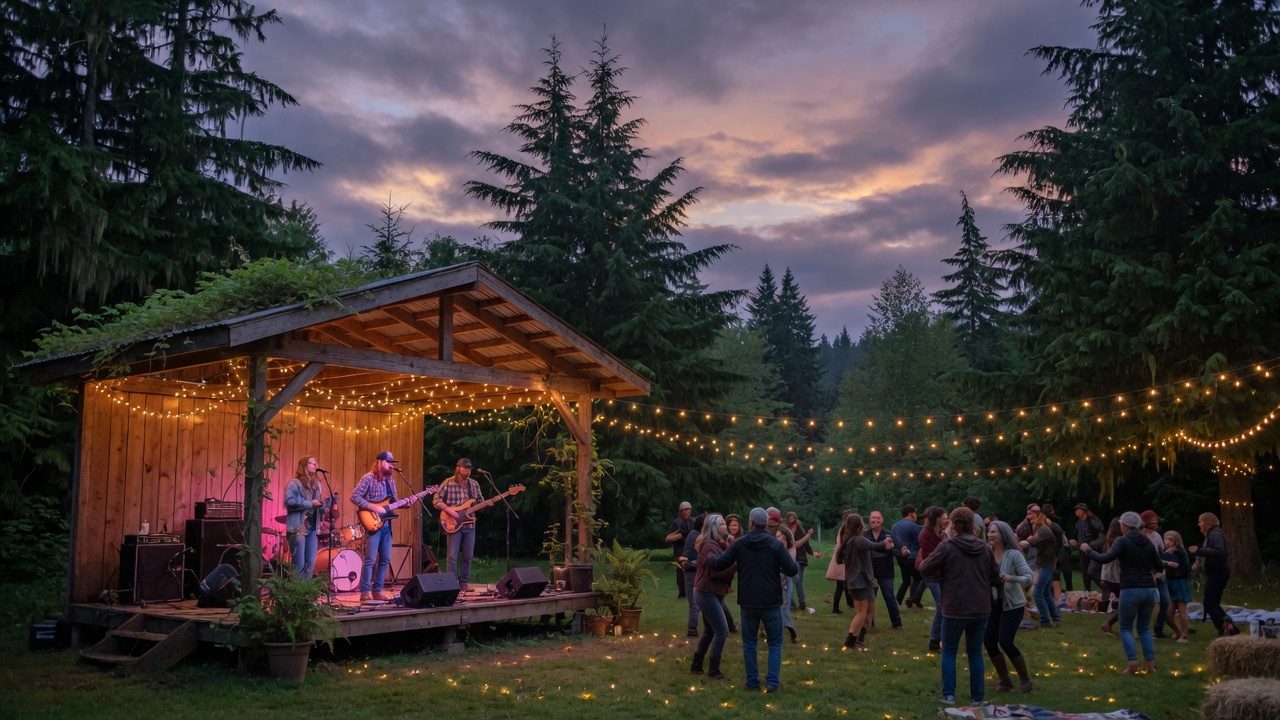
An outdoor cover band set with evergreen views, long summer light, and a packed dance floor is peak Pacific Northwest. It’s also one of the easiest event formats to underestimate.
If you’re planning an outdoor cover band event in Seattle — backyard, waterfront, winery, tented estate, or park — use this guide to plan production, weather, and guest experience like a pro.
Why outdoor shows are different
Indoors, walls contain sound and weather is mostly irrelevant. Outdoors you must solve:
- Wind and rain
- Power distribution
- Stage stability and cover
- Sound spill to neighbors
- Temperature for guests and musicians
- Daylight-to-dark transitions
- Cable safety across lawns and decks
Great outdoor events are built, not improvised.
Choose the right outdoor layout
Stage placement
- Put the band where guests naturally face a focal point
- Avoid aiming PA directly at residential property lines when possible
- Leave load-in access for cases and drums
- Keep the dance floor connected to the stage, not isolated behind dining
Guest flow
Cocktail zones, dinner seating, and dance floor should encourage migration toward the music as the night builds.
Weather planning (non-negotiable in Seattle)
Rain plan
Have one of the following:
- Full tent over band + dance floor
- Covered stage + nearby indoor backup
- Hard move-inside trigger time based on forecast
“We’ll just hope” is not a plan.
Wind plan
Wind fights lightweight stands, lyric sheets, and speaker stability. Use:
- Proper weighting
- Covered FOH where needed
- Clips/tablets secured
- Tent sidewalls strategy
Temperature plan
Musicians and guests both fade when cold and damp. Heaters, blankets, and a slightly earlier peak dance window can save the night in shoulder seasons.
Power and production essentials
Ask early:
- How many dedicated circuits are available?
- Is a generator required?
- Who provides distro and cable ramps?
- Is the ground uneven, soft, or sloped?
- Will the band bring full PA + engineer?
Outdoor full-band sound almost always benefits from a dedicated sound person.
Sound control and neighbor diplomacy
Outdoor volume travels. Protect the event by:
- Hiring an engineer who mixes for the space
- Setting a curfew and communicating it
- Using proper speaker aiming and delay fills if needed
- Avoiding “louder fixes everything” during dinner
- Alerting neighbors when appropriate for private properties
A dance floor can feel energetic at controlled levels if the mix is clear.
Timeline tips for outdoor receptions
Daylight affects mood. In high summer, it may still be bright at formal first-dance time. Consider:
- Lighting design for dusk
- Slightly later peak dancing in midsummer
- Earlier musical peaks in chilly months
- Contingency for weather delays during load-in
Share a detailed run-of-show with the band leader and venue.
Gear protection checklist
- Covered stage roof
- Rain fly / backup tarps
- Cable covers for walkways
- Towels and electronics protection
- Non-slip stage surfaces
- Secure lighting stands
- Water and shade for hot days
What to tell your cover band in the first inquiry
Include:
- Exact outdoor surface (grass, deck, concrete, dock)
- Tent or open-air
- Power details
- Rain backup
- Noise restrictions / end time
- Distance from load-in to stage
- Expected guest count
The more specific you are, the more accurate the quote and gear package.
Budget implications
Outdoor events can cost more than comparable indoor ones because of:
- Larger production needs
- Generator rentals
- Staging/tenting
- Extra labor time
- Weather contingency gear
Build this into entertainment + production budgeting early. See cost guide.
Common outdoor music mistakes
- No covered stage for electronics
- Dance floor too far from band
- Underpowered PA for open air
- Ignoring sunset/lighting design
- Soft ground swallowing stage legs
- Waiting for rain to invent a backup plan
Related planning reads
Final word
Outdoor cover band events in Seattle can be unforgettable when logistics get the same love as florals and food. Plan for weather, power, sound, and safety first — then let the band turn the landscape into a venue guests never forget.
Sunbreak or drizzle, a solid production plan keeps the music center stage.